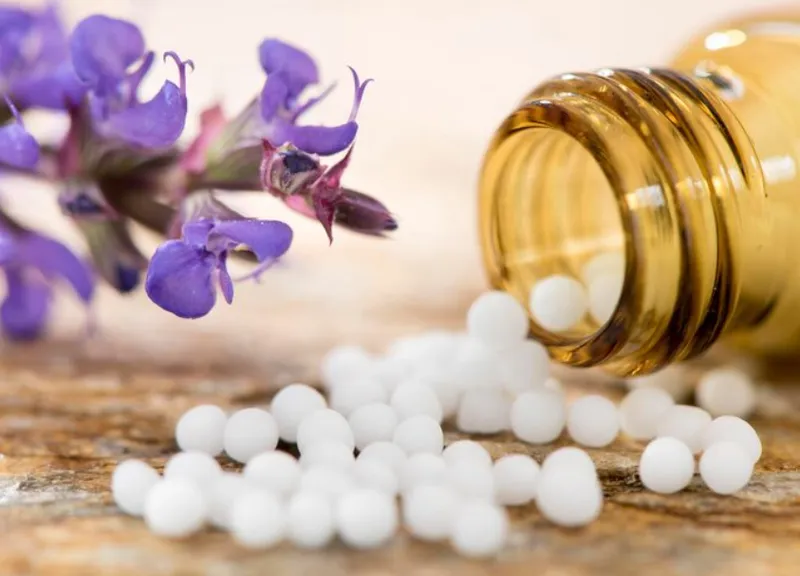
“Detox” is one of the most marketed — and most misunderstood — concepts in natural health. The body already runs a sophisticated, continuous detoxification system through the liver, kidneys, and gut. Herbal remedies don’t replace that system. Some, however, do support it in measurable ways. This article separates marketing claims from clinical evidence. For more on this topic, see The Power of Breathing as Detox.
Does the Body Actually Need Help Detoxing?
The liver processes over 500 functions daily, including breaking down toxins from food, medication, alcohol, and environmental exposure. It does this through two enzymatic phases (Phase I and Phase II detoxification pathways). The kidneys filter approximately 180 litres of blood per day. In a healthy person, these organs handle detoxification without supplements. For more on this topic, see Healing Your Relationship with Food.
The question, then, is not whether herbs can “detox” the body — they cannot replace organ function. The more useful question is: can certain herbs support liver enzyme activity, reduce oxidative stress, or improve the efficiency of these natural pathways? For a small number of herbs, the answer is yes, with caveats.
How Antioxidant-Rich Herbs Support Cellular Health
Many plants contain high concentrations of flavonoids, polyphenols, and other antioxidant compounds. These molecules neutralise free radicals — unstable atoms that damage cells and contribute to chronic disease when oxidative stress is sustained over time.
Green tea (Camellia sinensis) is one of the most studied antioxidant sources. Its active compound, epigallocatechin gallate (EGCG), has been linked in multiple trials to reduced markers of oxidative damage. Turmeric’s curcumin operates through similar mechanisms, with additional anti-inflammatory effects on liver tissue. Crucially, these effects support long-term cellular health — they are not acute “cleanses.”
The practical implication: consistently including antioxidant-rich herbs and foods in your diet reduces oxidative burden over time. No three-day cleanse achieves what months of consistent intake does.
What Does Milk Thistle Actually Do for the Liver?
Milk thistle (Silybum marianum) is the most clinically studied herb for liver health. Its active compound, silymarin, has three well-documented mechanisms:
- It acts as an antioxidant, protecting liver cells from free radical damage
- It modulates inflammatory cytokines, reducing liver inflammation
- It stimulates protein synthesis in liver cells, supporting tissue repair
A 2023 review published in Liver Disease News reported a potential beneficial effect of milk thistle on liver enzyme levels (ALT and AST), particularly in patients with non-alcoholic fatty liver disease. Results were not uniform across all patient groups. People with advanced liver disease saw more consistent improvements than those with early-stage conditions.
Milk thistle does not cure liver disease. It is most supported as a complementary approach for people with elevated liver enzymes, fatty liver, or those recovering from alcohol-related liver stress. Standard doses in trials range from 140 to 420 mg of silymarin per day.
Dandelion Root, Parsley, and Diuretic Herbs
Dandelion root (Taraxacum officinale) serves two roles in traditional detox protocols. Its bitter compounds stimulate bile production, which improves fat digestion and supports Phase II liver detoxification. Its natural diuretic effect increases urine output, facilitating kidney filtration of water-soluble waste products. For more on this topic, see Herbal Remedies for Emotional Well-being.
Parsley operates similarly — its flavonoids and volatile oils have mild diuretic properties. Both herbs have been used safely for centuries. The evidence base is smaller than for milk thistle, but traditional use is consistent with the proposed mechanisms.
A practical note: increased urine output only supports elimination of water-soluble compounds. It has no effect on fat-soluble toxins like certain heavy metals or persistent organic pollutants — which the liver must process first before they can be excreted.
The Gut-Liver Axis: How Digestive Herbs Fit In
The gut and liver work in close coordination. Toxins not processed by the gut microbiome or intestinal barrier reach the liver via the portal vein. A compromised gut lining increases the liver’s workload significantly.
Ginger (Zingiber officinale) and peppermint support gastric motility and reduce intestinal inflammation, which indirectly benefits liver function by reducing the volume of bacterial endotoxins entering the portal circulation. Ginger also inhibits certain inflammatory pathways (COX-1 and COX-2) in gut tissue.
For a broader view of how digestive health connects to overall well-being, see our overview of Ayurvedic detox practices, which addresses gut-liver balance through a traditional medicine lens.
What Herbal Detox Cannot Do
Certain claims circulating in wellness marketing are not supported by clinical research:
- Chelating heavy metals: Some herbal compounds bind lightly to certain metals, but medical chelation therapy uses specific pharmaceutical agents under medical supervision — not herbs
- Rapid removal of pharmaceutical residues: The liver processes drug metabolites through cytochrome P450 enzymes; herbs cannot meaningfully accelerate this process without also affecting drug metabolism in unpredictable ways
- “Resetting” the liver: The liver continuously regenerates — no supplement triggers a discrete reset
Being honest about these limits doesn’t diminish the value of liver-supportive herbs. It means using them appropriately: as long-term supportive tools, not emergency interventions.
Frequently Asked Questions
Q: Is there scientific evidence that herbal detox products work? A: Evidence exists for specific herbs with specific outcomes — milk thistle for liver enzyme support, green tea for oxidative stress reduction, dandelion for bile stimulation. However, most commercial “detox” products contain unstudied combinations at unverified doses. A 2024 review by the ADA found inconclusive evidence for most multi-ingredient liver supplements.
Q: How long should I take milk thistle for liver support? A: Clinical trials have used durations ranging from 4 weeks to 6 months. Short-term use (4 to 8 weeks) is sufficient for acute support after a period of heavy alcohol intake or dietary excess. Longer-term use is appropriate for chronic elevated liver enzymes, under healthcare supervision. Standard doses range from 140 to 420 mg of silymarin daily.
Q: Can herbal detox herbs interfere with medications? A: Yes. Milk thistle can affect the metabolism of several drugs via cytochrome P450 enzymes, potentially altering their concentration in the blood. Dandelion may interact with diuretic medications and antibiotics. Always inform your doctor or pharmacist before adding herbal supplements to your regimen.
Q: Are detox teas and commercial cleanse products safe? A: Most are safe for short-term use in healthy adults, but quality control varies widely. Some products have been found to contain undisclosed ingredients or incorrectly labelled quantities of active compounds. Choose products that are third-party tested and avoid any that claim to “cure” liver disease or guarantee rapid weight loss — these are red flags for misleading marketing.
Updated on March 13, 2026