The ancient wisdom of Traditional Chinese Medicine (TCM) continues to thrive in our modern world, offering time-tested solutions for contemporary health challenges. At VHealthy , we believe in bridging the gap between ancient healing traditions and modern healthcare needs. Join us as we step into the daily life of a TCM practitioner , revealing how these dedicated professionals maintain the delicate balance between traditional wisdom and contemporary wellness practices. Morning Rituals and Clinic Preparation Personal Cultivation Every successful TCM expert begins their day by practicing what they preach.
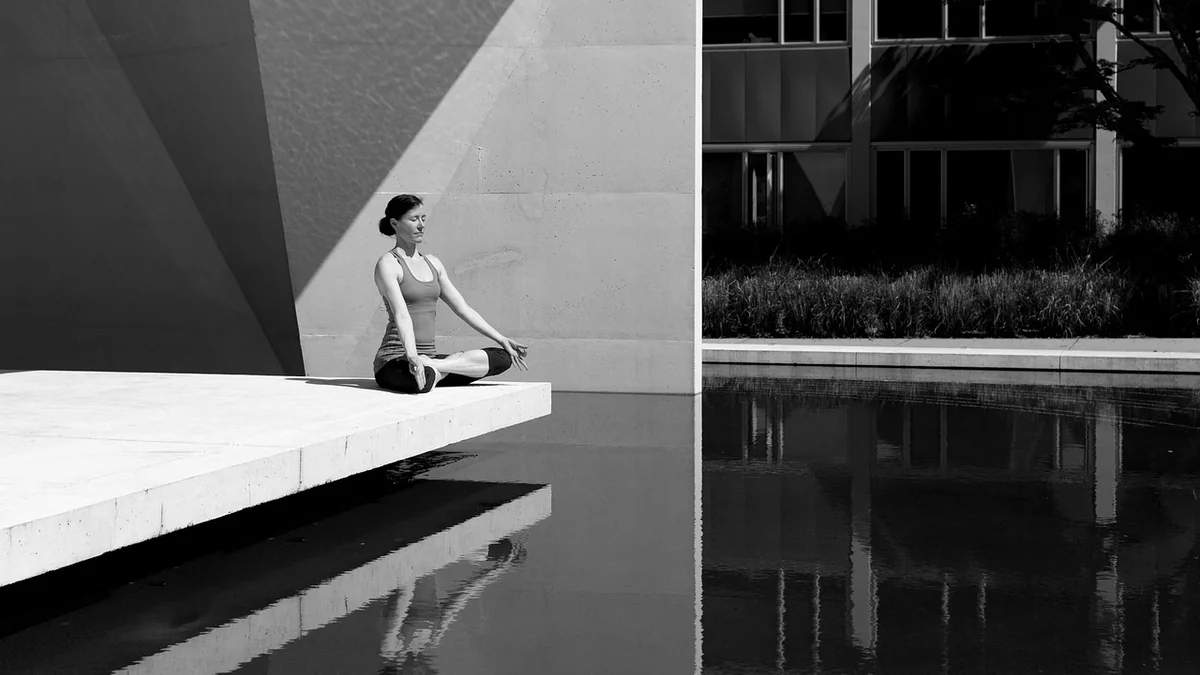
Our certified practitioners start their mornings with meditation, qigong, or tai chi exercises. These practices not only maintain their personal energy balance but also enhance their ability to diagnose and treat patients effectively. The morning routine often includes drinking traditional herbal teas and practicing mindful breathing techniques, setting the foundation for a day of healing work. Clinic Setup and Energy Alignment Before the first patient arrives, practitioners meticulously prepare their treatment rooms. For more on this topic, see Naturopathy: Healing with Nature.
The arrangement of healing herbs , acupuncture needles, and diagnostic tools follows ancient principles of energy flow. This preparation extends beyond mere organization – it’s about creating a harmonious environment that promotes healing, as showcased in our alternative medicine practices. Patient Consultations and Diagnostic Practices Traditional Diagnostic Methods The heart of TCM practice lies in its unique diagnostic approach. Practitioners employ the four pillars of diagnosis: looking, listening, asking, and touching.
This comprehensive method allows them to understand the patient’s condition through multiple lenses, as detailed in our lifestyle recommendations . Modern Integration Today’s TCM practitioners skillfully blend traditional diagnostic methods with contemporary health understanding. They maintain detailed digital records while still practicing ancient tongue and pulse diagnosis. This integration of old and new ensures that patients receive the most effective care possible .
Afternoon Treatment
Sessions Acupuncture and Meridian Therapy The afternoon often focuses on acupuncture treatments and meridian therapy. Practitioners carefully select points along the body’s energy pathways to restore balance and promote healing. Each session is customized to the individual’s needs, considering their unique constitution and current health status. Herbal Medicine Preparation A significant portion of the afternoon involves prescribing and preparing traditional herbal remedies . For more on this topic, see Herbal Remedies : A Holistic Approach to Healing.
Modern TCM practitioners use both pre-made formulas and custom preparations, adapting ancient recipes to meet contemporary safety standards and effectiveness requirements. Knowledge Sharing and Community Engagement Educational Initiatives Many practitioners dedicate time to education and community outreach, contributing to our media resources platform. They create content explaining TCM principles, share seasonal health tips, and offer guidance on preventive care practices, making traditional wisdom accessible to a broader audience. Professional Development Continuous learning is vital in TCM practice. For more on this topic, see Expert Tips for taking care of your health.
Practitioners regularly engage in research, attend workshops, and participate in professional development activities. This commitment to growth ensures they stay current with both traditional knowledge and modern healthcare developments. Evening Clinical Management Patient Records and Case Analysis The evening hours often involve reviewing patient cases and updating treatment plans. Modern TCM practitioners use sophisticated software to track patient progress while maintaining traditional diagnostic records.
This dual approach ensures comprehensive patient care and treatment effectiveness. Herbal Inventory Management Managing an herbal medicine dispensary requires careful attention. Practitioners spend time checking inventory, placing orders for fresh herbs, and ensuring proper storage conditions for their medicinal substances. This meticulous attention to detail guarantees the quality and efficacy of their treatments.
Bridging Traditional
Wisdom with Modern Practice Collaborative Healthcare Today’s TCM practitioners often work alongside other healthcare providers, creating integrated treatment plans that benefit from both traditional wisdom and modern medical knowledge. This collaborative approach, which you can learn more about on our blog , ensures patients receive comprehensive care that addresses all aspects of their health. Research and Documentation Many practitioners participate in research projects, documenting the effectiveness of traditional treatments in modern contexts. This scientific approach helps validate ancient practices while identifying new applications for traditional remedies.
The Future of TCM
Practice Embracing Technology Modern TCM practitioners increasingly incorporate technology into their practice, from telehealth consultations to digital diagnostic tools. This adaptation ensures traditional medicine remains relevant and accessible in our digital age. Preserving Ancient Wisdom While embracing modern innovations, practitioners maintain their commitment to the core principles of TCM. This dedication to tradition ensures that the essential wisdom of Chinese medicine continues to benefit future generations.
A Lifelong Commitment to Healing The life of a TCM practitioner exemplifies dedication to both ancient wisdom and modern healthcare needs. Their daily practices demonstrate how traditional healing arts remain relevant and effective in addressing contemporary health challenges. To learn more about our community of healers and their approach to traditional medicine, visit our About Us page. Whether you’re interested in becoming a practitioner or seeking treatment, understanding the daily life of a TCM expert reveals the profound dedication and expertise required in this field.
The harmonious blend of ancient wisdom and modern practice continues to make Traditional Chinese Medicine a valuable part of global healthcare.
Frequently Asked Questions
Q: What are the main benefits of this practice for overall health? A: Regular practice supports physical and mental wellbeing through stress reduction, improved sleep quality, and enhanced energy levels. The specific benefits depend on the practice and individual factors, with most people noticing initial improvements within a few weeks.
Q: How do I get started safely? A: Begin with short, regular sessions and gradually increase intensity or duration. Consulting a qualified practitioner before starting ensures the practice is appropriate for your health status and helps you avoid common beginner mistakes.
Q: Are there any contraindications I should be aware of? A: Most natural health practices are safe for the general population, but certain conditions — including pregnancy, cardiovascular issues, or current medication use — may require modifications. Always disclose your full health history to any practitioner.
Q: How do I find a qualified practitioner? A: Look for practitioners with recognized certifications, verifiable training, and positive patient reviews. Professional associations often maintain directories of accredited members. A good practitioner will always conduct a thorough initial assessment.
Updated on February 27, 2025