
Workplace burnout has moved from a personal problem to a public health concern. The WHO officially classified burnout as an occupational phenomenon in 2019 — a recognition that long-term unmanaged work stress causes measurable physical and psychological damage. Conventional approaches focus on reducing workload or improving coping skills. Traditional healing systems take a different starting point: they look at the whole person, not just the work environment. For more on this topic, see The Root Causes of Burnout.
What Does Burnout Look Like From a Traditional Medicine Perspective?
In Western medicine, burnout is defined by three dimensions: emotional exhaustion, depersonalisation, and reduced personal accomplishment. Traditional systems frame it differently — but no less precisely.
Ayurveda identifies burnout as a state of vata and pitta imbalance: depleted nervous energy combined with excess heat (inflammation, irritability, overactivity). Traditional Chinese Medicine (TCM) associates it with Kidney Qi deficiency — a depletion of the body’s foundational energy reserve from sustained overexertion. Both frameworks converge on a similar point: burnout is the result of drawing on reserves faster than they can be replenished. For more on this topic, see Traditional Chinese Medicine and AI.
According to the WHO, traditional medicine is now practiced in 88% of its member states — 170 out of 194 countries. This is not a marginal approach. Billions of people use these systems as primary healthcare.
How Does Yoga Reduce Burnout?
The evidence is clear. A 2024 study published in Frontiers in Public Health found that yoga practice significantly reduces physiological stress markers, improves sleep quality, and reduces inflammation — all of which are elevated in burnout states. Stress reduction was the primary motivation for beginning yoga practice among most study participants, and the data confirmed that this motivation was well-founded.
Yoga addresses burnout through several mechanisms:
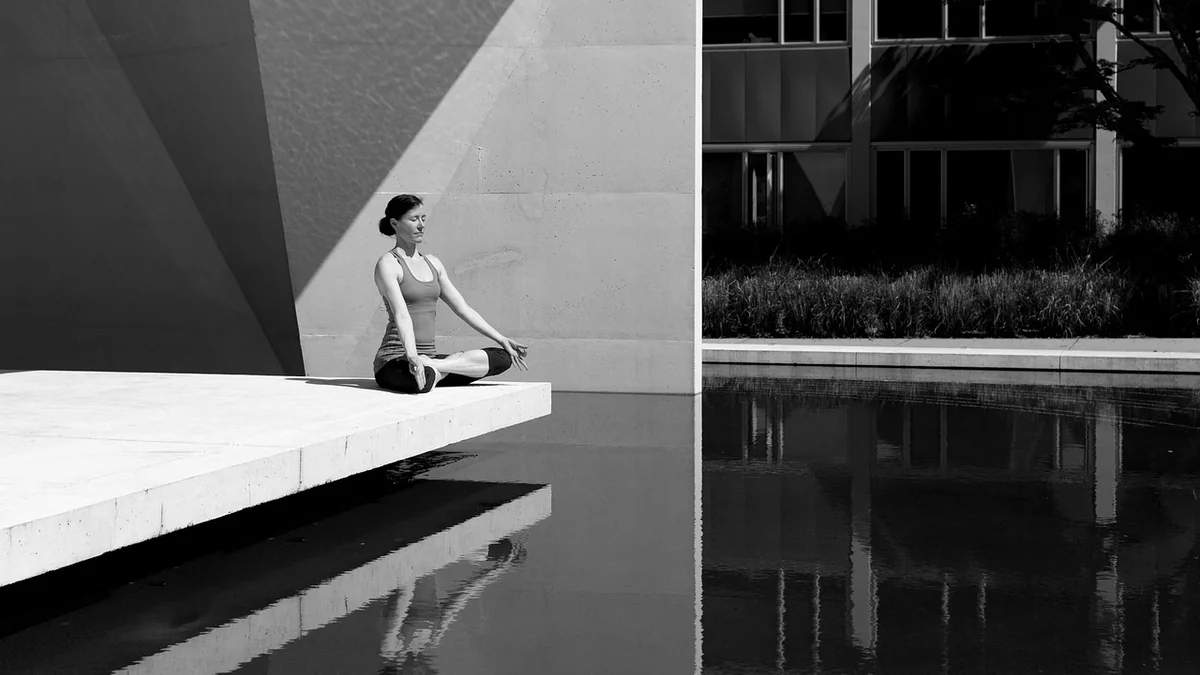
Nervous system regulation: Sustained yoga practice (particularly slow, restorative styles) activates the parasympathetic nervous system — the physiological counterpart to the chronic sympathetic activation that drives burnout.
Cortisol reduction: Multiple trials show yoga reduces morning cortisol levels, the stress hormone most closely linked to emotional exhaustion.
Physical restoration: Burnout often manifests as chronic muscular tension, headaches, and fatigue. Asana practice addresses these physical symptoms directly, in a way that medication does not.
Even 20 minutes of slow yoga three times per week produces measurable improvements in stress biomarkers within 4 to 8 weeks.
What Can Acupuncture Do for Burnout Symptoms?
A 2025 systematic review on acupuncture for burnout management (published in ResearchGate) found that acupuncture significantly alleviated symptoms including anxiety, emotional exhaustion, and depersonalisation — the core markers of clinical burnout. Meta-analytic results confirmed consistent, beneficial effects across studies. Treatment protocols of 4 to 8 weeks showed the most significant results.
Acupuncture works by stimulating specific anatomical points that modulate the autonomic nervous system and inflammatory pathways. For burnout specifically, points on the pericardium, heart, and kidney meridians are typically prioritised in TCM protocols — directly targeting the energy depletion pattern that traditional medicine associates with this condition. For more on this topic, see Mindfulness and Productivity.
It is one of the most researched complementary interventions for psychological exhaustion, with a growing evidence base that has moved it from fringe to mainstream clinical discussion.
The Role of Community and Emotional Processing
Modern burnout treatments are largely individual. Traditional healing practices, by contrast, are often communal. Healing ceremonies, talking circles, community rituals — these create shared contexts for processing difficult experiences that one-on-one therapy does not replicate.
This matters because social disconnection is both a symptom and a driver of burnout. Research consistently shows that perceived social support is one of the strongest protective factors against burnout progression. Traditional healing environments — whether an Ayurvedic retreat, an acupuncture clinic with group education, or a community mindfulness program — provide that connection as part of the therapeutic structure.
For more on how mind-body practices support stress recovery, our article on mindfulness for everyday stress covers accessible daily techniques.
Energy Healing and Qi Gong: What the Research Shows
Qi gong and Reiki are more difficult to study than yoga or acupuncture — standardising interventions and measuring outcomes requires careful design. The available evidence is mixed but directionally positive for stress and fatigue outcomes.
Qi gong — a system of slow movement, breathwork, and mental focus — has been shown in multiple small trials to reduce perceived fatigue, improve mood, and lower markers of inflammation in people with chronic stress. The practice is particularly accessible for people in burnout who lack the energy for vigorous exercise. Sessions of 20 to 30 minutes are sufficient, and the learning curve is gentle.
Reiki evidence is less robust, but patient-reported outcomes consistently show reductions in anxiety and improved sense of wellbeing. For burnout recovery, these experiential effects — feeling calmer, more grounded, more connected to the body — matter regardless of the mechanistic explanation.
Herbal Support for Burnout Recovery
Traditional systems use adaptogenic herbs as a central tool for burnout recovery. Ashwagandha and Siberian ginseng are the two most studied for sustained energy and stress resilience. Rhodiola rosea has strong evidence for reducing fatigue and improving cognitive performance under stress — a 2022 systematic review confirmed its efficacy compared to placebo in randomised trials.
These herbs do not provide immediate energy. They support the body’s stress response system over time, reducing the dysregulation that drives the cycle of exhaustion. For a full breakdown of adaptogenic herbs and their evidence base, see our article on herbal remedies for emotional well-being.
Frequently Asked Questions
Q: Can traditional healing practices replace conventional treatment for burnout? A: No — but they are effective complements. Traditional practices like yoga, acupuncture, and adaptogenic herbs address physiological and emotional dimensions of burnout that conventional medicine often underserves. A meta-analysis published on PubMed confirmed consistent beneficial effects of yoga, mindfulness, and acupuncture on burnout markers. They work best alongside organisational changes and, where needed, professional psychological support.
Q: How long does it take to recover from burnout using traditional approaches? A: Recovery timelines depend on the severity of burnout and consistency of practice. Most people notice meaningful improvements in energy and emotional resilience within 6 to 12 weeks of regular practice (yoga, meditation, acupuncture). Full recovery from severe burnout typically takes 3 to 6 months. Traditional medicine emphasises sustained lifestyle change over quick fixes.
Q: Is acupuncture effective for emotional exhaustion specifically? A: Yes. A 2025 systematic review on acupuncture for burnout management found significant reductions in emotional exhaustion and anxiety across multiple high-stress professions. Treatment protocols of 4 to 8 weeks produced the strongest results. It is one of the most evidence-supported complementary interventions for the emotional dimension of burnout.
Q: When should I seek professional help instead of relying on traditional practices? A: If burnout symptoms include persistent hopelessness, inability to perform daily tasks, panic attacks, or thoughts of self-harm, seek medical attention promptly. Traditional practices are preventive and supportive — they are not substitutes for clinical care in acute mental health situations. Most burnout presentations, however, fall in the range where traditional practices offer genuine, evidence-backed benefit.
Updated on March 13, 2026