
Burnout has become a pervasive issue affecting individuals across various industries. While modern mental health care offers valuable treatments, many people are turning to traditional medicine as a complementary approach to address the multifaceted symptoms of burnout. This article explores how traditional medicine can provide additional support and enhance overall well-being. Understanding Burnout Burnout is a state of emotional, physical, and mental exhaustion often resulting from prolonged stress and job dissatisfaction. For more on this topic, see Expert Tips for taking care of your health.
It can lead to a range of symptoms, including fatigue, decreased productivity, irritability, and difficulty concentrating. Traditional medicine offers a holistic approach that can address the underlying causes of burnout and promote healing. The Benefits of Traditional Medicine for Mental Health 1 - Stress Reduction Many traditional healing practices emphasize stress reduction and relaxation. Techniques such as meditation, yoga, and acupuncture can help calm the mind and body, reducing the negative impact of stress on mental health.
2 - Holistic Approach Traditional medicine often takes a holistic approach, considering the interconnectedness of the mind, body, and spirit. This perspective can provide a more comprehensive understanding of burnout and its underlying causes. 3 - Personalized Treatment Traditional healing practices can be tailored to the individual’s specific needs and circumstances. This personalized approach can offer a sense of control and empowerment, which can be particularly helpful for those experiencing burnout.
4 - Mind-Body Connection Traditional medicine emphasizes the mind-body connection, recognizing the powerful influence of thoughts and emotions on physical health. By addressing both mental and physical aspects of burnout, traditional healing can promote overall well-being. Examples of Traditional Medicine Practices for Burnout Herbal Remedies Certain herbs, such as ashwagandha, lavender, and chamomile, are known for their stress-reducing properties and can be used to support mental health. Acupuncture This ancient Chinese practice involves inserting thin needles into specific points on the body to balance energy flow and promote relaxation.
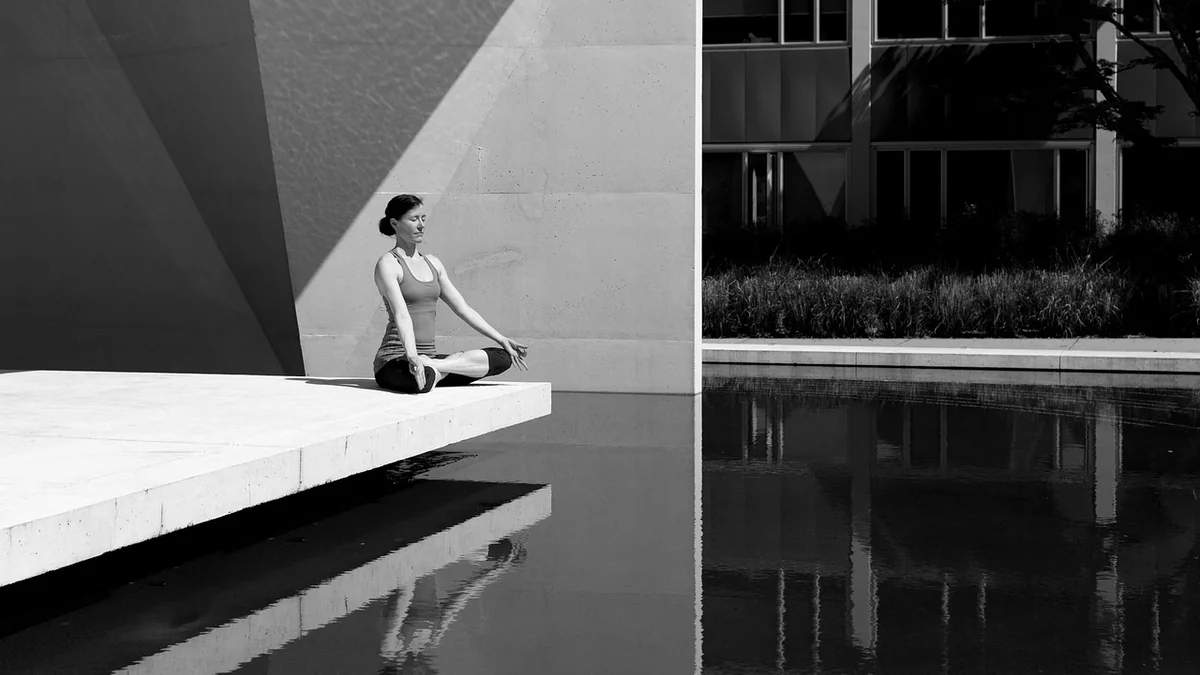
Yoga and Meditation
These practices can help calm the mind, reduce anxiety, and improve sleep quality. Tai Chi This gentle form of exercise combines meditation, deep breathing, and slow movements to improve balance, flexibility, and overall well-being. While modern mental health care plays a vital role in treating burnout, traditional medicine can offer valuable complementary support. By incorporating holistic practices that address both the physical and mental aspects of burnout, individuals can experience greater resilience, improved well-being, and a more balanced life. For more on this topic, see Understanding Emotional Eating.
It is important to consult with healthcare professionals to determine the most appropriate approach for your individual needs. For more on this topic, see Nature’s Pharmacy.
Frequently Asked Questions
Q: What are the most effective natural methods for managing stress? A: Evidence supports breathing exercises, regular physical activity, adequate sleep, and practices like yoga or tai chi. Herbal supplements such as ashwagandha and rhodiola have also shown promise in clinical studies, though results vary by individual.
Q: How does chronic stress affect physical health? A: Chronic stress elevates cortisol levels, which can lead to weakened immunity, digestive problems, cardiovascular strain, weight gain, and disrupted sleep patterns. Addressing stress early prevents these effects from compounding over time.
Q: Can traditional healing practices help with burnout? A: Many traditional practices — including Ayurvedic lifestyle adjustments, Chinese medicine, and body-based therapies like massage — address burnout by targeting both physical exhaustion and emotional depletion rather than treating symptoms alone.
Q: When should I seek professional help for stress? A: If stress interferes with daily functioning, relationships, sleep, or work performance for more than two weeks, consult a healthcare professional. Persistent anxiety, panic attacks, or feelings of hopelessness warrant prompt medical attention.
Updated on December 30, 2024