

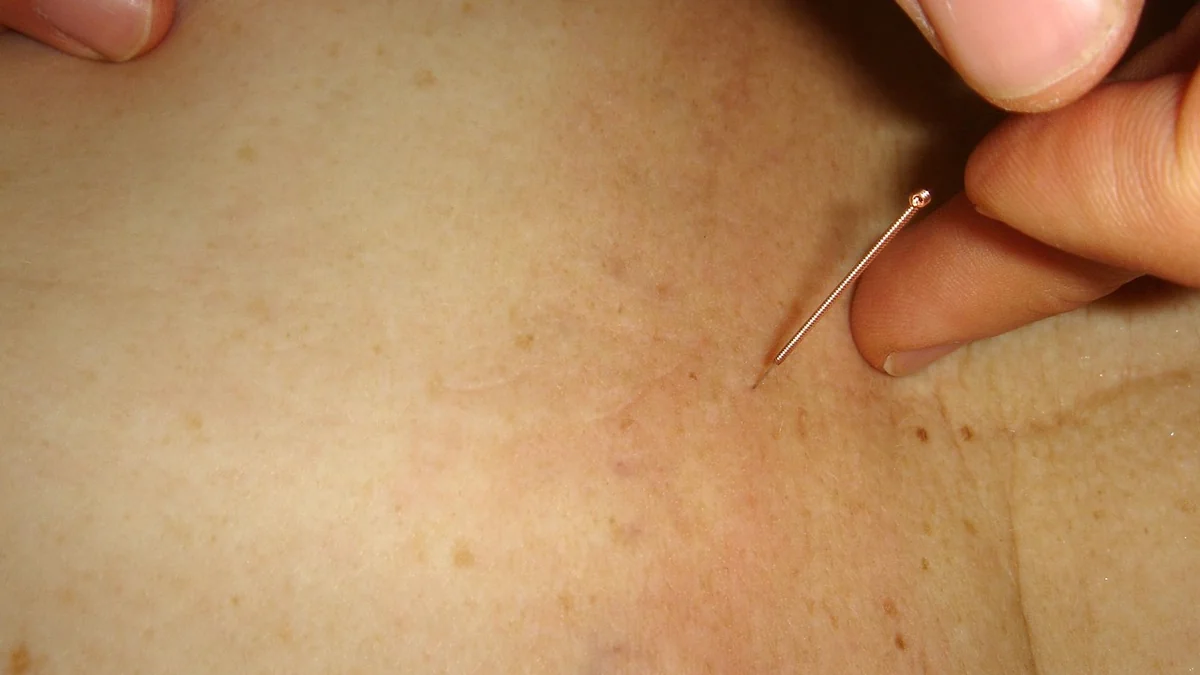
Traditional Chinese Medicine and AI: A New Path to Holistic Healing
AI transforms Traditional Chinese Medicine by boosting diagnosis, personalizing care, and improving outcomes—while honoring ancient wisdom.
Read more →Guided meditation, cardiac coherence, better sleep techniques. Stress can be managed — here's how, step by step.
16 articles
AI transforms Traditional Chinese Medicine by boosting diagnosis, personalizing care, and improving outcomes—while honoring ancient wisdom.
Read more →
Discover traditional medicine with VHealthy: ancient wisdom, natural remedies, and holistic approaches for optimal well-being.
Read more →
Discover the power of essential oils for stress relief, energy, and healing. Explore VhealTHY's expert insights on natural wellness solutions.
Read more →
Discover how to adopt the Ironman mindset to overcome your limits and reach your goals. Motivation, endurance and a mind of steel!
Read more →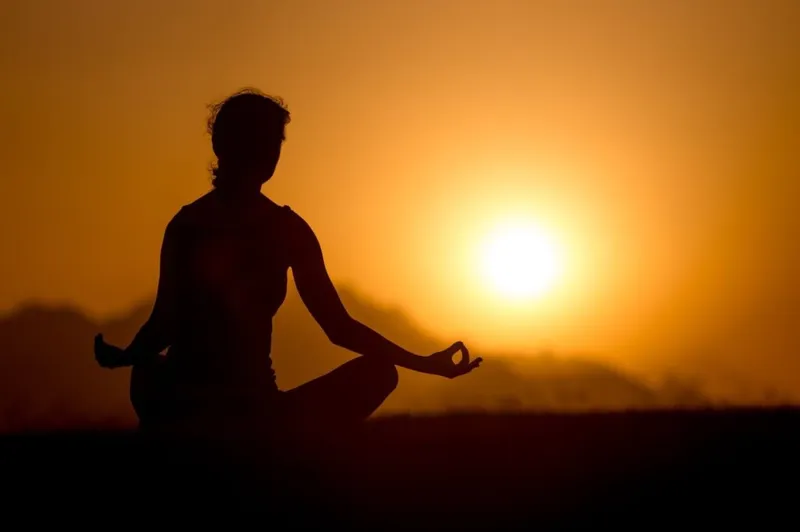
Discover Vipassana meditation, a practice of self-observation to achieve mental clarity, emotional balance and inner peace.
Read more →
Online health consultations cost 40-80% less than in-person visits. Learn how telehealth saves money on travel, copays, and specialist access while maintaining quality care.
Read more →
Discover how mindfulness can help you handle daily stress with practical techniques to stay present and calm. Learn strategies to improve focus and well-being in your everyday life.
Read more →
Discover practical tips and psychological first aid strategies to handle emotional outbursts effectively. Learn how to stay calm and support others.
Read more →
Learn how to overcome self-criticism and develop self-compassion. Discover practical strategies to face your inner critic and transform negative thoughts into positive self-empowerment
Read more →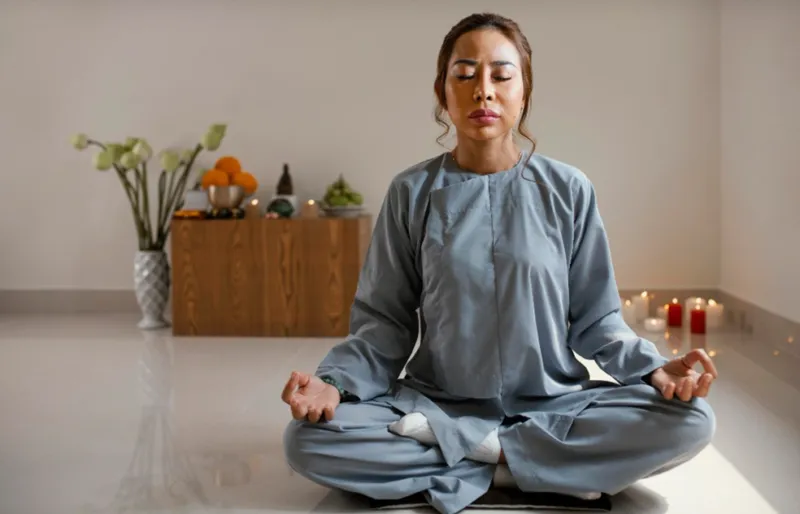
Explore how Ayurveda fosters inner balance and enhances relationships. Discover practical tips for better connections and emotional well-being.
Read more →
Discover why mental health is more than just a label. Learn how to identify the signs, break stigma, and promote well-being in this insightful guide.
Read more →Yes, it's one of the most scientifically validated techniques. The 3-6-5 method (3 times a day, 6 breaths per minute, for 5 minutes) reduces cortisol by 20-25% within weeks. It synchronizes heart rate with breathing, activating the parasympathetic nervous system. Effects are felt from the first session, but consistency is key.
Mindfulness meditation reduces activity in the brain's default mode network, responsible for repetitive thoughts that prevent falling asleep. Studies show that regular practice of 10-20 minutes improves sleep quality within 4-8 weeks. Guided meditation before bedtime, combined with a body scan, is particularly effective for mild sleep disorders.
Stress is a response to an identifiable stimulus (deadline, conflict, exam) that disappears when the situation resolves. Anxiety persists even without a concrete threat — it's excessive anticipation of the future. Both activate the sympathetic nervous system, but chronic anxiety often requires professional support. The techniques on this blog help with both.
Absolutely. Mindfulness requires no equipment, flexibility or experience. Start with 5 minutes of conscious breathing: observe air coming in and out, without trying to 'empty your mind.' Guided apps make first steps easier. The goal isn't meditating perfectly but practicing regularly — even 3 minutes a day makes a measurable difference.